
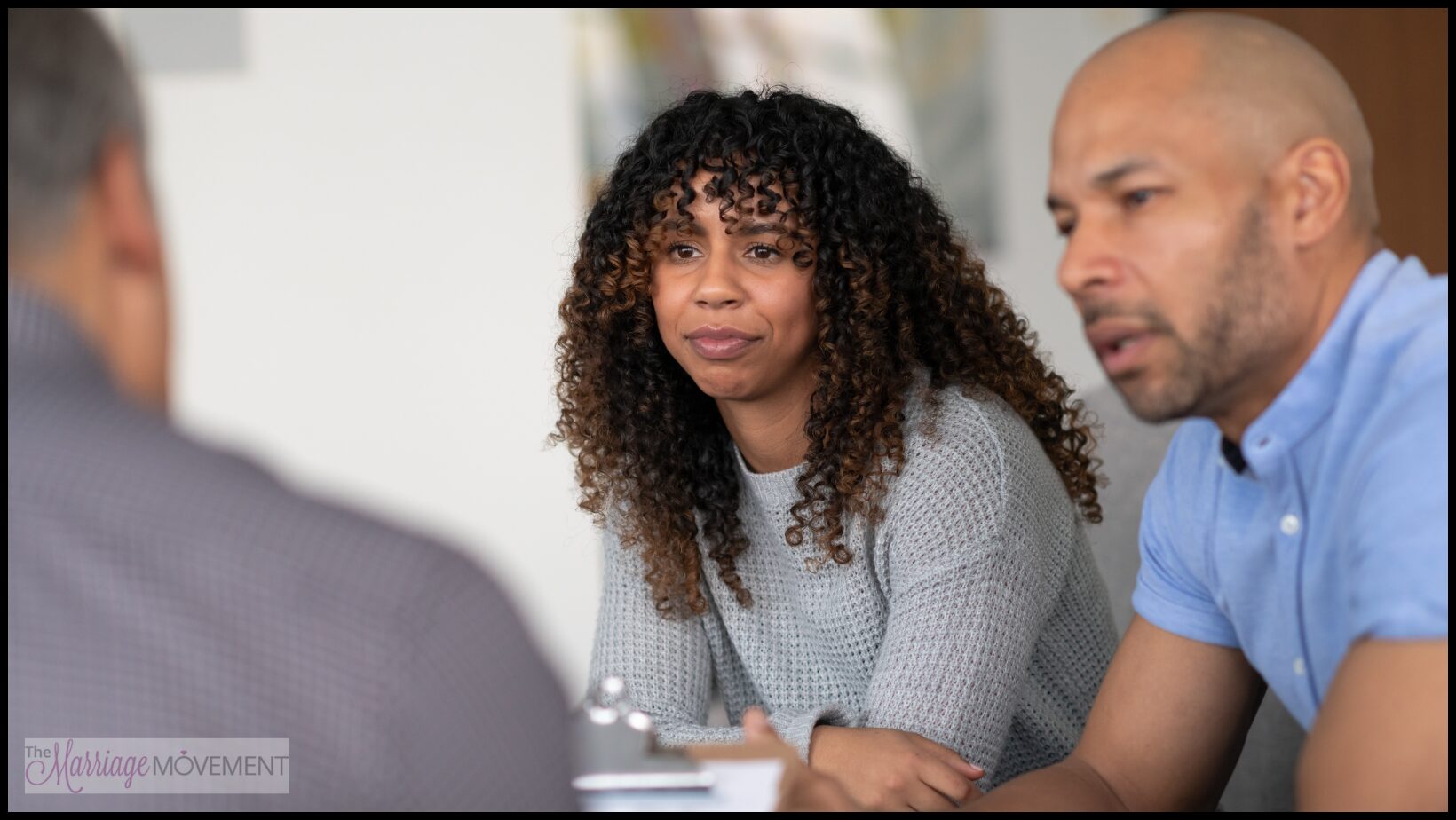
What is a relationship coach? What types of services do they offer? Better yet, how does a relationship coach differ from a counselor or therapist?
Relationship coaching has become a more common concept in recent years, yet many couples still aren’t exactly sure what it is or how it might benefit them.
Some assume coaching is only for couples in crisis, while others believe it’s simply another word for relationship counseling. In reality, relationship coaching plays a unique role in helping couples strengthen communication, deepen their understanding of each other, and build healthier patterns before serious issues arise.
In a nutshell, coaches primarily focus on growth, awareness, and forward movement within a relationship.
Understanding the Role of a Relationship Coach
A relationship coach works with couples who want to improve how they communicate, connect, and navigate challenges within their relationship. Coaching is not about diagnosing mental health issues or assigning blame. Instead, the focus is on helping couples identify patterns, clarify goals, and learn practical tools that strengthen their partnership.
Couples who seek relationship coaching often want to:
- Communicate better
- Resolve disagreements in a healthier way
- Understand their partner’s emotional needs
- Build trust and connection
- Prepare for major life transitions such as marriage, children, or blending families
Simply put, relationship coaches provide guidance and structure for couples who want to be intentional about building a strong foundation.
Relationship Coaching vs. Counseling
So, how does relationship coaching differ from counseling or therapy?
While both can be beneficial, they often serve different purposes.
Counseling typically focuses on healing deeper emotional wounds, addressing past trauma, or navigating significant relationship distress. Counseling and therapy are provided by licensed professionals who are trained to treat complex psychological issues.
Relationship coaching, on the other hand, tends to be more forward-focused. Coaching sessions emphasize practical strategies and actionable steps that help couples improve their relationship moving forward.
For couples who are generally stable but want to grow together, coaching can be a proactive way to build skills before challenges become overwhelming.
Who Benefits From Relationship Coaching?
Relationship coaching is not just for couples who feel stuck or disconnected. In fact, many couples seek coaching during positive or transitional seasons in their relationship.
For example, engaged couples often work with a relationship coach as part of their marriage preparation. Coaching can help them explore expectations and discuss important topics such as finances, communication styles, and conflict resolution.
Couples who have been together for years may also seek coaching when they want to reconnect or strengthen their partnership as life evolves.
Believe it or not, even individuals who are currently single sometimes work with a relationship coach to better understand their patterns, boundaries, and relationship goals. This self-awareness can help improve their future dating and relationship experiences.
Why Some Couples Choose Guidance Early
Think of relationship coaching as an investment. Just as people may take courses on financial planning or personal development, investing in relationship skills early can help couples build stronger and more resilient partnerships.
Seeking guidance from a relationship coach doesn’t mean something is wrong. In fact, it can be one of the most intentional ways to demonstrate a commitment to growing together and creating a supportive, sustainable relationship.
Building Stronger Relationships Through Support
Creating and sustaining a healthy relationship doesn’t happen without effort. It requires two people who are willing to grow, understand one another, and adapt as life changes.
Relationship coaching provides couples with a space to ask questions, gain new perspectives, and develop practical tools to navigate life together more effectively.
Whether you’re preparing for marriage, working through communication challenges, or simply looking to strengthen your connection, a relationship coach may be the resource that helps you build a love that lasts.
Some couples benefit from deeper professional support—this guide explains why many strong couples choose therapy before a crisis occurs.