
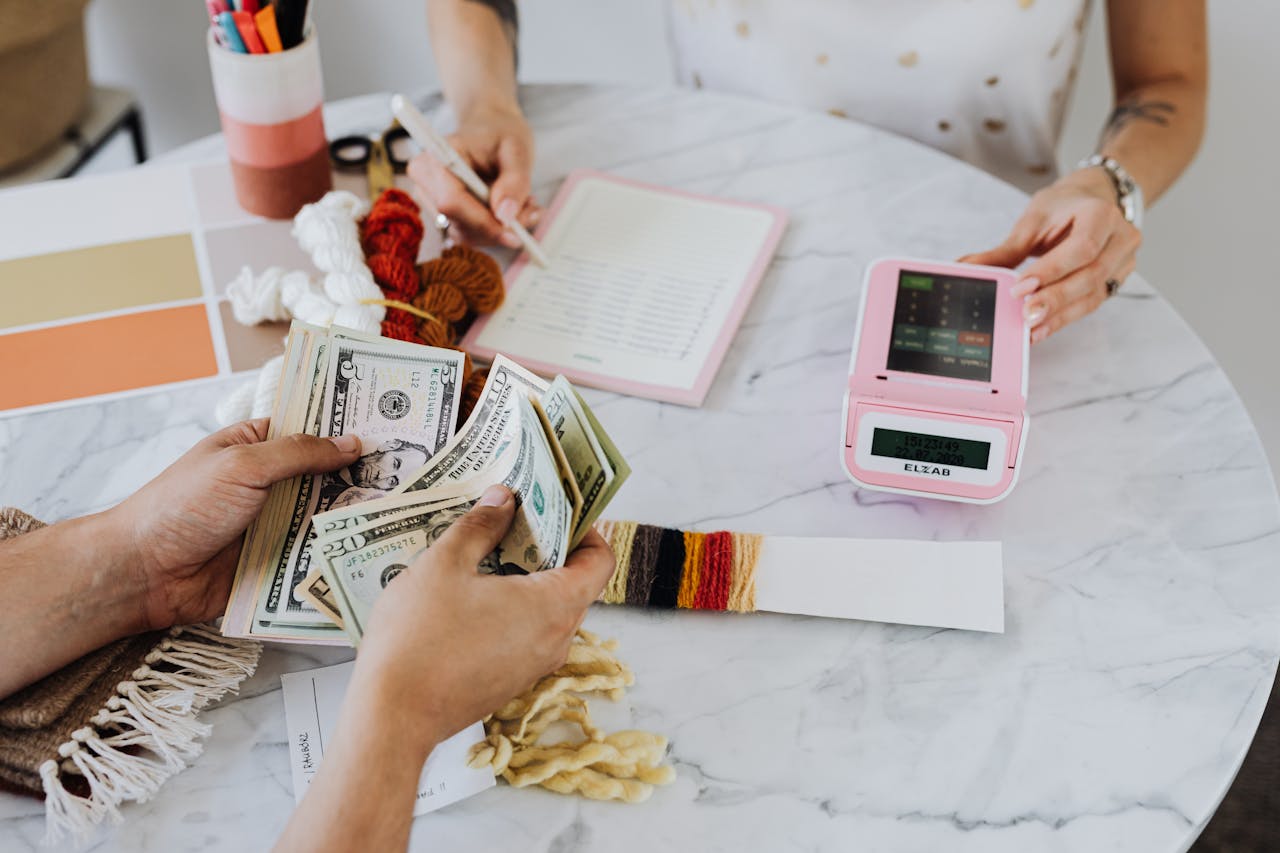
It goes without saying that setting a budget is one of the most stressful parts of wedding planning. Most couples don’t have $10,000–$35,000 set aside for a wedding, and even fewer are fortunate enough to have family members volunteering to foot the bill. With rising costs and shifting priorities, many couples are realizing the importance of spending smarter when planning their big day.
Modern couples are discovering that they don’t have to go into deep debt to create a meaningful and memorable celebration. Instead, they’re learning how to align their spending with what truly matters to them.
What “Smart Spending” Really Means Today
Spending smart when planning a wedding doesn’t mean being cheap or giving up the things you desire. It means being intentional, value-driven, and thoughtful about where to splurge and where to scale back. Couples are moving away from outdated norms and social pressure and setting budgets that reflect their relationship—not expectations.
In 2026, couples are asking honest questions and permitting themselves to prioritize accordingly. Smart spending often starts with reflections like:
- What parts of the wedding truly matter to us?
- Will this enhance the guest experience or our memories?
- Is there a more cost-effective alternative that delivers the same impact?
These questions help couples make decisions rooted in clarity rather than comparison.
Where Couples Are Choosing to Spend More
Spending smarter doesn’t eliminate splurging—it refines it. Certain wedding elements offer a higher emotional return on investment. Hiring a wedding coordinator helps reduce planning stress and ensures the day runs smoothly. Photography and videography preserve meaningful moments long after the celebration ends. Quality food and engaging entertainment create a memorable experience for guests.
Rather than inflating their budget to create the illusion of luxury, couples are intentionally investing in elements that enhance the emotional impact of their day and allow them to stay present.
What Couples Are Skipping or Scaling Back On
In 2026, couples are confidently opting out of traditions and expenses that don’t resonate with them. Practical thinking and intentional spending often eliminate the need for excessive extras.
Some areas where couples are choosing to scale back include:
Venues
Instead of expensive hotels or traditional reception halls, many couples are opting for intimate spaces such as family homes, local parks, or flexible venues like community centers.
Guest Lists
Couples are becoming more selective about who they invite, focusing on those who play an active and meaningful role in their lives rather than extending invitations out of obligation.
Wedding Attire
With the understanding that wedding attire is often worn only once, some couples are exploring alternatives like renting, borrowing, shopping sales, or choosing versatile pieces that can be reworn.
Elaborate Décor and Performative Extras
While grand floral arrangements and dramatic effects can be beautiful, couples are embracing more minimal, creative décor choices that feel personal and budget-conscious without sacrificing style.
A Budget That Reflects the Life Ahead
While a wedding may be a once-in-a-lifetime moment, it’s still just one day. Overspending without intention can lead to financial stress that lingers long after the celebration ends. More couples are recognizing that a thoughtfully planned budget supports not only a meaningful wedding but also a healthier start to marriage.
Smart spending isn’t about doing less—it’s about doing what matters most. When couples choose alignment over expectation, wedding planning becomes more manageable, more personal, and far more rewarding.
Your wedding budget doesn’t have to limit the beauty or meaning of your day. Ashida’s wedding planning and day-of coordination services are designed to help couples reduce stress, stay on budget, and create a celebration that reflects their love story.